
Unlock the Benefits of Meditation for Focus

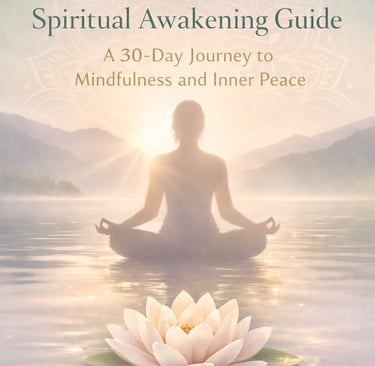
Meditation isn't mystical or complicated. It's a practical mental skill anyone can learn, and science backs its benefits: reduced stress, better focus, improved sleep, and emotional balance. If you've tried meditation before and gave up because your mind wouldn't stop racing, you're not alone—and you weren't doing it wrong.
This guide strips away the confusion and gives you exactly what you need to start a sustainable meditation practice today.
What Meditation Actually Is
Meditation is focused attention training. That's it. You're not trying to empty your mind or achieve some transcendent state. You're simply practicing directing your attention to one thing—your breath, a sound, a sensation—and noticing when your mind wanders, then gently bringing it back.
Think of it like training a puppy. The puppy (your mind) will run off constantly. Your job isn't to prevent the wandering—it's to notice it happening and guide your attention back without judgment. Every time you notice and return, you're strengthening your mental "attention muscle."
The goal isn't a blank mind. The goal is awareness of where your mind goes and the ability to redirect it.
Why Your Mind Races (And Why That's Normal)
Your brain produces between 12,000 and 60,000 thoughts per day. It's designed to think, plan, worry, and problem-solve—that's how humans survived. When you sit still and try to focus, all those background thoughts suddenly become noticeable, like turning on a light in a dark room full of insects.
Beginners often quit because they think a busy mind means they're "bad at meditation." The opposite is true. Noticing your mind is busy means you're actually becoming aware—which is the entire point.
Meditation doesn't stop thoughts. It changes your relationship with them. Instead of being swept away by every mental current, you learn to observe thoughts without getting hooked.
The Simplest Way to Start
Basic Breath Awareness Meditation:
Set a timer for 5 minutes (yes, just 5)
Sit comfortably with your spine relatively straight
Close your eyes or soften your gaze downward
Breathe naturally through your nose
Notice your breath - Where do you feel it most? Your nostrils? Chest? Belly?
Keep your attention there - Follow each inhale and exhale
When your mind wanders (it will), notice what pulled you away, then return to your breath
Repeat the returning process without frustration
That's the entire practice. Do this daily for two weeks before trying anything more complex.
Common Mistakes to Avoid
Starting too long: Beginners often try 20-30 minute sessions and burn out. Five minutes of consistent daily practice beats occasional 30-minute attempts. Build duration gradually.
Judging your thoughts: "I'm terrible at this," "Why can't I focus?" These judgments are just more thoughts. Notice them and return to your breath without the self-criticism narrative.
Expecting immediate calm: Some sessions will feel peaceful. Others will feel like wrestling an octopus. Both are successful meditations if you kept practicing. Results accumulate over weeks, not minutes.
Trying too many techniques: Don't download five apps and try guided meditations, mantras, visualization, and body scans all in the first week. Pick one method and stick with it for at least a month.
Meditating only when stressed: Meditation is most effective as a daily practice, not an emergency intervention. It's preventive medicine, not a Band-Aid.
When and Where to Meditate
Best times:
Morning (right after waking, before checking your phone)
Before bed (helps transition from daily stress)
Same time daily (builds the habit faster)
Best locations:
Quiet corner where you won't be interrupted
Same spot every day (your brain associates the space with practice)
Comfortable temperature
Minimal distractions
You don't need a meditation cushion, incense, or special room. A regular chair works perfectly. Consistency matters more than ambiance.
Building the Daily Habit
Habit stacking is the most effective strategy. Attach meditation to an existing habit:
After your morning coffee
Before your shower
After brushing your teeth at night
Start with 5 minutes for the first week. Add one minute each week until you reach 15-20 minutes. This gradual progression prevents overwhelm and builds genuine consistency.
Track your practice with simple checkmarks on a calendar. Seeing the streak builds motivation.
When to Use Guided vs. Silent Meditation
Guided meditation (apps or recordings) works well when:
You're completely new and need direction
Your mind is extremely restless
You want to explore different techniques
Silent meditation works better for:
Building genuine self-sufficiency
Deeper concentration
Long-term practice sustainability
Use guided sessions as training wheels. The goal is eventually meditating independently, without external instructions.
What to Do When It Gets Difficult
Physical discomfort: Shift your position. Meditation shouldn't be painful. If sitting hurts, try lying down (though you might fall asleep) or sitting in a supportive chair.
Overwhelming emotions: Sometimes meditation surfaces difficult feelings. If this happens, open your eyes, take a break, and consider whether you need support from a therapist. Meditation isn't therapy, though it complements it well.
Boredom: This is normal and actually valuable. Sitting with boredom without reaching for your phone is powerful training for modern life. Notice the boredom sensation and stay with it.
Sleepiness: Meditate earlier in the day, sit more upright, or try meditating with eyes slightly open.
Measuring Progress
You won't feel dramatically different after one session. Look for these subtle changes over 4-6 weeks:
Catching yourself in reactive moments before responding
Falling asleep faster
Less rumination about past conversations
More space between stimulus and response
Better concentration during work
Reduced physical tension you weren't aware you carried
These changes emerge gradually. Trust the process even when individual sessions feel "unsuccessful."
Simple Apps and Resources
For beginners:
Insight Timer (free, huge library)
Headspace (friendly interface, good for starting)
Calm (gentle approach)
For independent practice:
Simple timer app
Bell sound at intervals to refocus
You don't need expensive courses or equipment. Your breath is free and always available.
The One-Minute Emergency Version
When you don't have time for full meditation:
Stop what you're doing
Take three slow, deep breaths
Notice five things you can see
Notice your feet on the ground
Return to your task
This "micro-meditation" activates your parasympathetic nervous system and breaks stress cycles. It's not a replacement for daily practice but a useful supplement.
Starting Today
Here's your action plan:
Set a 5-minute timer right now
Sit down, close your eyes, and focus on your breath
When the timer sounds, mark today on your calendar
Repeat tomorrow at the same time
That's it. Don't overthink it. Don't research more techniques. Don't buy anything. Just sit and breathe for five minutes daily.
Meditation is deceptively simple, which is exactly why it works. In a world that constantly demands your attention, choosing to practice focused awareness is radical. The benefits compound silently over time, reshaping how you relate to stress, emotions, and the endless mental chatter.
You don't need to become a meditation expert. You just need to show up, breathe, and begin.
Subscribe for Your FREE Chapter & Journal Bundle
Enjoy exclusive special deals available only to our subscribers.