
Understanding Mindfulness: Benefits & Practices
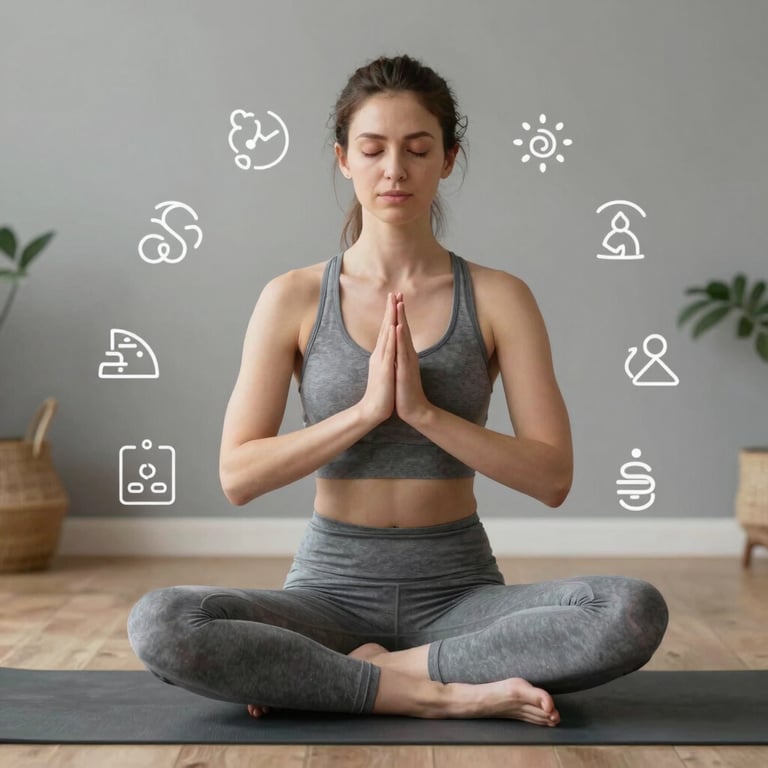
Understanding Mindfulness
Mindfulness can be defined as the practice of being present and fully engaged in the moment, free from distractions and judgments. Its origins can be traced back to ancient contemplative practices in Buddhism, which emphasize awareness and mental clarity. In recent years, mindfulness has gained significant attention in contemporary life, particularly in psychology and wellness, as a means to cope with stress, anxiety, and various mental health challenges.
The principles of mindfulness revolve around awareness, acceptance, and non-reactivity. By cultivating these principles, individuals learn to observe their thoughts, feelings, and bodily sensations without becoming overwhelmed or consumed by them. This approach not only enhances self-awareness but also fosters emotional resilience. Regular mindfulness practice can lead to improved emotional well-being, as it encourages individuals to acknowledge and understand their emotions instead of suppressing them.
Research supports the benefits of mindfulness, highlighting its positive effects on mental health. Studies indicate that mindfulness practices can significantly reduce symptoms of stress, anxiety, and depression. For instance, a meta-analysis published in JAMA Internal Medicine analyzed over 200 studies and found that mindfulness-based interventions were effective in decreasing anxiety and improving overall well-being. Additionally, another recent study suggested that participants who engaged in mindfulness practices exhibited increased brain connectivity, enhancing their capacity to regulate emotions.
In summary, mindfulness serves as a powerful tool for mental and emotional well-being. By understanding its principles and recognizing its significance in contemporary life, individuals can harness mindfulness to improve their quality of life. Through regular practice, the myriad benefits of mindfulness will become apparent, making it an essential component of a holistic approach to health.
Getting Started with Mindfulness Practices
Beginning a mindfulness practice can be an enriching journey, allowing individuals to cultivate a sense of inner peace and awareness amidst the chaos of daily life. For beginners, it is essential to explore various mindfulness techniques to determine which resonates most with personal preferences and lifestyle.
One widely recommended method is mindful breathing. This simple practice involves focusing on the natural rhythm of your breath, becoming aware of the inhalation and exhalation without attempting to control it. Beginners can start by dedicating just a few minutes each day to this practice, gradually increasing the duration as comfort levels rise. This method not only fosters relaxation but also enhances concentration, making it a great entry point into mindfulness.
An additional effective technique is the body scan. This practice encourages individuals to mentally scan their bodies from head to toe, recognizing any sensations, tensions, or areas of discomfort. By acknowledging these physical feelings without judgment, practitioners can develop a deeper connection with their bodies and promote relaxation. Beginners might find it helpful to use guided recordings that lead them through the process, providing support as they become familiar with the technique.
Walking meditation offers an alternative for those who prefer movement. This practice incorporates the act of walking as a focal point, enabling individuals to engage with their surroundings while remaining present. Participants should pay close attention to each step, maintaining a mindful awareness of their body’s movements and the sensations in their feet and legs. Beginners can practice this in a quiet space, gradually extending the duration and distance.
When starting a mindfulness practice, setting realistic goals is crucial. Assess your daily routine and identify times when you can commit to mindful practices, whether it’s during morning rituals, lunch breaks, or before bedtime. Start with short sessions to avoid overwhelm, gradually building up to longer periods. Over time, consistency will cultivate a beneficial habit, enhancing your overall well-being.
Creating a Mindfulness Routine
Establishing a consistent mindfulness routine is essential for building a sustainable practice. By setting aside a regular time and designated space, you encourage both your mind and body to prepare for mindfulness activities, helping you immerse yourself in the experience. Consider starting with a specific time each day, whether it's early morning or before going to bed, allowing mindfulness to become a natural part of your daily schedule.
In addition to a designated time, selecting a conducive environment can significantly enhance your mindfulness practice. Choose a quiet space, free from distractions, where you can engage fully in your practice. This could be a room in your home, a favorite chair, or even a peaceful outdoor area. Over time, associating this space with your mindfulness routine will aid in calming your mind and facilitating deeper concentration.
Incorporating mindfulness into daily activities can further enrich your practice. Small moments of mindfulness throughout the day—such as during meals, while walking, or even while commuting—can cultivate a more profound awareness of your thoughts and emotions. Engaging in these activities with intention encourages not only a mindful approach but also reinforces the idea that mindfulness is versatile and not limited to dedicated sessions.
It’s common to encounter obstacles like distractions or fluctuating motivation. When distractions arise, gently redirect your focus back to the present moment without self-judgment. If you struggle with motivation, consider starting with shorter durations and gradually increasing your practice time as you become more comfortable. Tracking your progress can also be beneficial; maintaining a journal helps document your experiences, reflections, and feelings about your mindfulness journey. This not only provides a record of your growth but also serves as motivation to continue your practice.
Resources and Tools for Mindfulness
As you embark on your mindfulness journey, having the right resources and tools can significantly enhance your practice. Numerous books delve into the principles and techniques of mindfulness, offering both theoretical insights and practical exercises. For beginners, titles such as "The Miracle of Mindfulness" by Thich Nhat Hanh and "Wherever You Go, There You Are" by Jon Kabat-Zinn are particularly accessible and enlightening.
In addition to traditional literature, several mobile applications can support your mindfulness practice. Apps like Headspace and Calm offer guided meditations tailored for all experience levels, along with reminders to cultivate a consistent practice. These tools provide users with not only mindfulness exercises but also discussions about the broader concepts of stress reduction, emotional regulation, and enhancing overall well-being.
For those who prefer a more structured learning approach, various online courses and workshops can prove beneficial. Platforms such as Udemy and Coursera host a plethora of mindfulness-oriented classes, many of which are designed by leading mindfulness experts. Engaging in these courses allows learners to acquire skills at their own pace while gaining valuable insights from professionals in the field.
Connecting with others can significantly enhance your mindfulness practice. Consider joining local mindfulness groups or online communities where individuals share their experiences, tips, and encouragement. These networks can provide motivation and accountability, making it easier to maintain your daily practice.
To keep your mindfulness journey sustainable over time, establish a routine that integrates mindfulness into your daily life. Use reminders, set achievable goals, and vary your practice to prevent monotony. Combining different resources, such as books, apps, courses, and community support, creates a well-rounded environment conducive to long-term mindfulness practice.
Subscribe Into TRUTAI Family to Receive FREE Chapter & Journal
Enjoy exclusive special deals available only to our subscribers.