
Understanding Meditation and Mindfulness Practices
Defining Meditation and Mindfulness
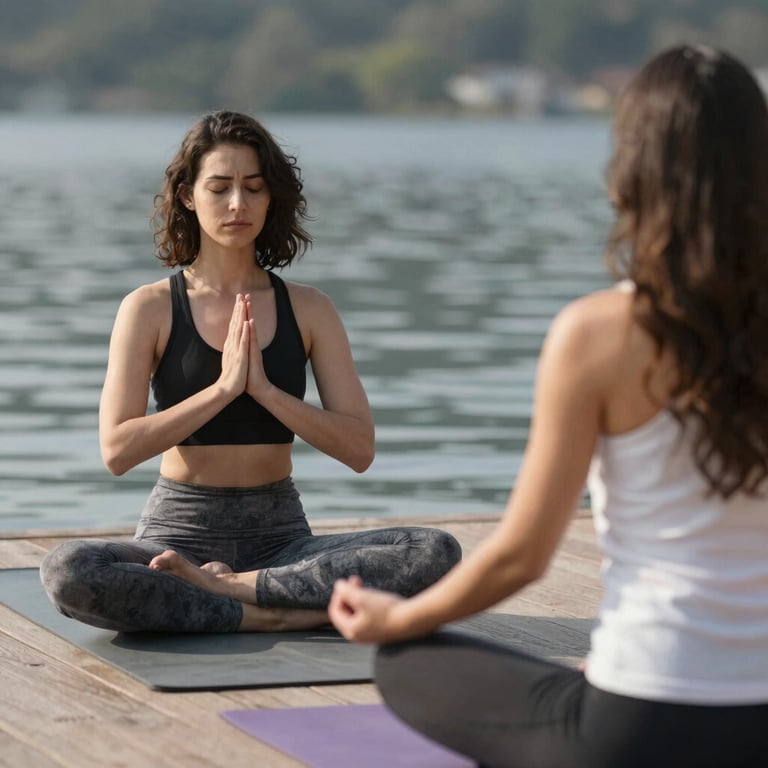
Meditation and mindfulness are practices that have roots in various spiritual and philosophical traditions around the world, often intertwined yet distinct in their execution and outcomes. Meditation can be understood as a deliberate practice that involves focused attention and specific techniques designed to cultivate a heightened state of awareness. It often includes structured methods such as breath control, visualization, or the repetition of mantras, aimed at fostering an inner state of tranquility and insight. Historically, meditation has been utilized in various cultures such as Buddhism, Hinduism, and Taoism, serving as a tool for spiritual growth as well as mental clarity.
In contrast, mindfulness refers to a state of being present in the moment, fully engaged with the current experience without judgment or distraction. This practice encourages an individual to observe thoughts, feelings, and sensations as they arise, fostering acceptance and awareness without necessarily seeking to change them. Mindfulness has gained prominence in contemporary wellness movements, often stripped of its religious connotations, making it accessible to a broader audience. Grounded in principles from Buddhist teachings, mindfulness can be practiced in daily life, allowing individuals to cultivate a deeper connection with their everyday experiences.
While both meditation and mindfulness emphasize awareness and attention, they diverge in their methodologies and objectives. Meditation typically requires a designated time and space for practice, aiming for focused enhancement of consciousness, whereas mindfulness embodies a continuous approach to life, encouraging presence in every moment. These distinct practices cater to different needs and goals, thus understanding their definitions and contexts is essential for individuals seeking to integrate them into their lives.
Key Differences Between Meditation and Mindfulness
Meditation and mindfulness are often used interchangeably, yet they represent distinct practices with unique characteristics. Understanding these key differences can significantly influence one’s approach to mental well-being. Meditation is typically characterized by a structured approach where individuals engage in specific techniques to achieve a state of focused attention or deep relaxation. This may include practices such as breathing exercises, visualization techniques, or the repetition of mantras. These activities are often conducted in a dedicated time slot, allowing practitioners to cultivate a sense of tranquility and mental clarity.
In contrast, mindfulness is an informal practice that emphasizes maintaining a moment-to-moment awareness of thoughts, feelings, and bodily sensations without judgment. Rather than setting aside a specific period to meditate, individuals practicing mindfulness seek to incorporate conscious awareness into their everyday activities—such as eating, walking, or even having conversations. This continual application of mindfulness can help in reducing stress, enhancing emotional regulation, and fostering a greater sense of presence.
The intentions behind meditation and mindfulness also differ. Meditation often aims at achieving a specific goal, such as reducing anxiety or enhancing spiritual growth. On the other hand, mindfulness aims to cultivate a way of being that allows individuals to freely experience their lives without distraction or aversion. While both practices can lead to improved mental health and emotional resilience, the structured nature of meditation may provide immediate relief from stress, whereas mindfulness nurtures a long-term transformation in awareness and presence.
In summary, meditation and mindfulness, despite their overlapping outcomes in promoting mental wellness, differ in methods, intentions, and applications. Recognizing these variations enables practitioners to select the approach that resonates most effectively with their personal journey toward mental health and overall well-being.
Benefits of Meditation and Mindfulness
Meditation and mindfulness each offer distinct benefits that contribute positively to mental health and overall well-being. While both practices aim to cultivate awareness and promote relaxation, their unique characteristics prove advantageous in different contexts.
Meditation, a practice often associated with concentrated thought and guided techniques, has been shown to effectively reduce stress and anxiety levels significantly. Research indicates that engaging in regular meditation can lower cortisol levels, the hormone associated with stress. For instance, a study published in the journal Psychological Science demonstrated that participants who practiced meditation reported lower levels of perceived stress and improved emotional resilience. This practice encourages a deep sense of inner peace, allowing individuals to detach from the overwhelming pressures of daily life.
In contrast, mindfulness emphasizes an active engagement with the present moment without judgment. This practice has been proven particularly effective in enhancing focus and attention. Studies in the Journal of Cognitive Enhancement reveal that individuals who practice mindfulness regularly exhibit improved concentration, allowing them to better manage distractions in a fast-paced environment. Mindfulness techniques, such as mindful breathing and awareness of surroundings, assist individuals in recognizing and regulating their emotional responses, which ultimately fosters better emotional intelligence.
Moreover, both meditation and mindfulness play significant roles in enhancing emotional regulation. Individuals who incorporate these practices into their daily routines often report greater emotional stability and resilience in the face of challenges. Access to these emotional benefits can guide individuals on their personal development journey, leading to improvements in relationships, decision-making, and overall psychological wellness.
Choosing the Right Practice for You
When it comes to mental well-being, the choice between meditation and mindfulness is highly personal and influenced by individual preferences, goals, and lifestyles. Meditation typically involves dedicated time spent in quiet contemplation or focused attention, while mindfulness represents a way of being, emphasizing awareness of the present moment in daily activities. Understanding these distinctions is crucial for selecting a practice that truly aligns with your needs.
For beginners, starting with meditation can be as simple as setting aside five to ten minutes each day. You might choose guided sessions or apps that offer structured practices, making it easier to engage without feeling overwhelmed. As you become more comfortable, you can expand your practice, exploring various styles such as loving-kindness meditation or transcendental meditation. Each technique has its unique benefits, catering to different goals such as stress relief, increased focus, or emotional healing.
On the other hand, if you lead a busy lifestyle, incorporating mindfulness into your daily routine might be more beneficial. This could involve being present while eating, practicing mindful walking, or simply taking a moment to breathe deeply during a hectic day. Engaging with mindfulness in everyday activities encourages a sustained awareness and can seamlessly enhance your overall well-being without the need for extended sessions.
For those open to both practices, consider a hybrid approach. You could dedicate certain days to meditation while actively practicing mindfulness on others. This dual strategy allows for a holistic experience, fostering both deep relaxation through meditation and continuous awareness through mindfulness. The essence of personal experimentation remains vital: by trying various approaches, you can discover what resonates most and supports your mental health effectively.
In conclusion, your journey into meditation or mindfulness should be a reflection of your personal goals and daily life. Exploring resources like books, apps, or local classes can provide further guidance, enhancing your understanding and practice of both disciplines.
Subscribe Into the TRUTAI Family
Enjoy exclusive special deals available only to our subscribers.